

Rohingya Response
News
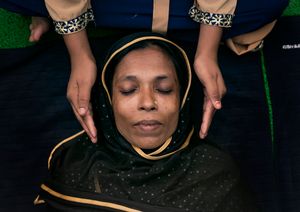
Article Research Report: Understanding perceptions, service seeking behaviour and challenges ...
- 28/09/2021
BBC Media Action would like to share the following report - “Understanding perceptions, service seeking behaviour and challenges around mental health in Rohingya and host communities”. This report is based on the thematic formative study where BBC Media Action looked at the Rohingya and...
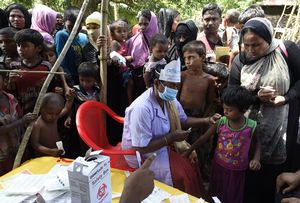
Article Research Report: Understanding health-seeking behaviour of the Rohingya community
- 22/09/2021
BBC Media Action would like to share the following report - “Understanding health-seeking behaviour of the Rohingya community”. This report is based on the thematic formative study where BBC Media Action looked at the Rohingya people’s health-seeking behaviour, their ...
Article ACAPS-NPM Analysis Hub - Audio reports delving deeper into findings and processes of ...
- 20/04/2021
The ACAPS-NPM Analysis Hub audio products summarize or expand upon key elements and findings in the ACAPS-NPM Analysis Hub reports on the Rohingya refugee response. The audios are part of a pilot project to adapt reports into audio format to reach humanitarians who do not have time to read all our ...
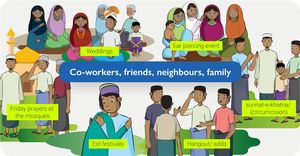
Article Research Report: Understanding social cohesion between the Rohingya and host communities
- 25/02/2021
BBC Media Action would like to share the following report - “Understanding social cohesion between the Rohingya and host communities”. This report is based on the thematic formative study where BBC Media Action looked at the present status of social cohesion between the host and ...
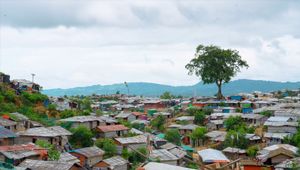
Article Supporting humanitarian communication: What role does having a dedicated ‘common service’ ...
- 10/02/2021
Since the beginning of the Rohingya refugee crisis in Bangladesh in October 2017, the ‘Common Service for Community Engagement and Accountability’ has been working to help humanitarian agencies communicate more effectively and be more accountable to communities living in and around the ...
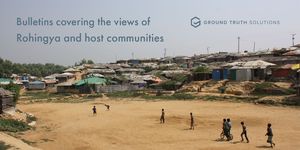
Article Cox's Bazar Bulletins - Feedback, trust, needs, services, safety and outlook
- 31/01/2021
[Updated Jan 2021 with additional bulletins] These bulletins summarise the main findings from Ground Truth Solutions (GTS) surveys conducted with Rohingya refugees and host community in Bangladesh. So far, four sets of surveys have been carried out - in July 2018 (sample 1,003), October ...
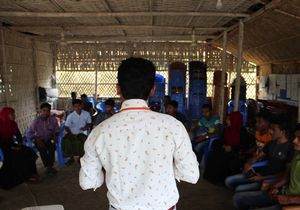
Article THE LANGUAGE OF LEADERSHIP: The words that define how majhis are seen and understood in ...
- 01/10/2020
In the refugee camps in Ukhiya or Teknaf, you will hear the term majhi a lot; their appointed role is the sharing of official information, with some assuming a leadership role, too. Research by Translators without Borders shows, however, that the effectiveness of majhis as ...
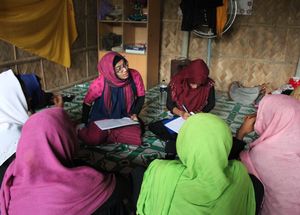
Article Rohingya language guidance note on COVID-19 for Bangladesh
- 01/09/2020
Knowing what terminology Rohingya refugees use to discuss COVID-19 is critical if responders are to understand and respond to the refugees’ questions and concerns. To assist humanitarians in minimizing confusion, Translators without Borders has developed Rohingya translations of terms used in ...
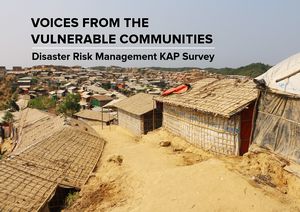
Article Voices from the Vulnerable Communities: Disaster Risk Management KAP Survey
- 01/09/2020
The coastal district of Cox’s Bazar in the south-east region of Bangladesh prone to cyclones and other extreme weather events and is home to populations vulnerable to such events. The Rohingya refugee community are particularly vulnerable due to their shelter structure, lack of cyclone ...
Article Language for learning: How language use affects Rohingya children's educational experience...
- 01/08/2020
This report examines how language use affects Rohingya children’s educational experience in the camps around Cox’s Bazar in Bangladesh. The project was part of the common service and funded by UK Department for International Development and UK Foreign, Commonwealth and Development ...
Article Cross-border language research in Bangladesh and Myanmar
- 29/01/2020
Rohingya people are marginalised in Myanmar society while, across the border in Bangladesh where many have fled, they are also unable to participate fully in society due to their lack of legal status and recognition as refugees. In both contexts, language barriers reinforce that exclusion. In 2019, ...
Article Glossary and language guidance for Bangladesh: English / Bangla / Chittagonian / Rohingya ...
- 08/08/2019
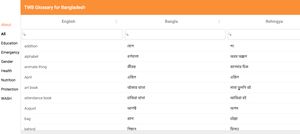
The TWB Glossary for Bangladesh is designed to assist field workers and interpreters working on the Rohingya humanitarian response in Bangladesh. It aims to improve communication between aid workers and the Rohingya community by providing clear and accurate translations of useful terminology ...
Article Evaluation reports: community engagement, accountability and information needs within the ...
- 21/07/2019
Two new reports give insights into the emerging information needs among Rohingya people and the host community; as well as evaluating the contribution that the common service is making to community engagement and accountability in the response. A new Information Needs Assessment, carried ...
Article Foresight service: What do Rohingya people think about the key issues facing the response ...
- 01/04/2019
BBC Media Action’s new foresight service seeks to help humanitarian practitioners consider community concerns, views and opinions when planning for some of the key challenges facing the Rohingya response in 2019. The service compliments the existing What Matters? community feedback bulletin, ...

Article Flying news rumour bulletins
- 11/03/2019
The Flying News rumour bulletin showcases rumours collected from the Rohingya community on a daily basis and offers not only a simple first answer based on fact-checked information from partners and sectors but also information on where to find more details on each topic to make sure information ...
Article Tools and tips for aid agencies and media professionals
- 09/03/2019
Lifeline programming is special media programming for people who are affected by humanitarian crises. It aims to give them a voice and provide timely, relevant and practical information to help alleviate their suffering and assist with their recovery. It can play an important role in strengthening ...
Article Bangladesh and Myanmar: language needs across borders. A three-part TWB report, ...
- 01/03/2019
The Rohingya are marginalized in Myanmar society, as reflected in their lack of legal status and recognition as citizens. Across the border in Bangladesh, they are also unable to participate fully in society due to their lack of legal status and recognition as refugees. In both contexts, language ...
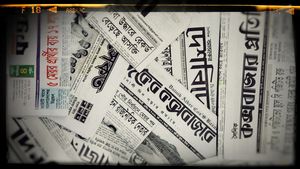
Article CXB Press Snapshot: Local newspaper monitoring report on the Rohingya emergency
- 27/02/2019
This series is part of BBC Media Action’s work to collect and collate feedback from communities affected by the Rohingya crisis and to assist sectors to better plan and implement relief activities with communities’ needs and preferences in mind. The regular "CXB Press Snapshot" aims to ...
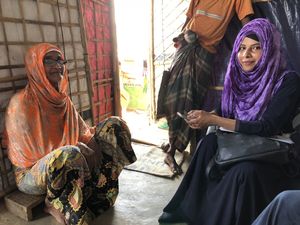
Article The Language Lesson - What we've learned about communicating with Rohingya refugees
- 15/12/2018
Refugees have a right to information and two-way communication in their own language, in a format they understand, and through channels they prefer and trust. In the past year, access to information has improved in the Rohingya refugee response as a result of an increased humanitarian focus on ...

Article Power structures, class divisions and entertainment in Rohingya society
- 19/09/2018
[Updated 19 September to include Bangla version of the summary] BBC Media Action undertook a qualitative research study to understand more about the culture and traditions of the Rohingya community. The aim of the study was to allow communication outputs designed for Rohingya people to draw on ...
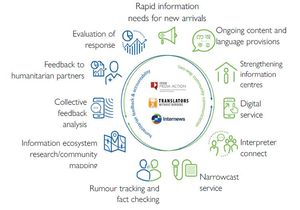
Article CwC evaluation and information needs update
- 18/09/2018
BBC Media Action, Internews and Translators without Borders have been working to improve access to information for Rohingya communities by supporting humanitarian and media agencies in their communication in the camps. The ‘Common Service for Community Engagement and Accountability’...
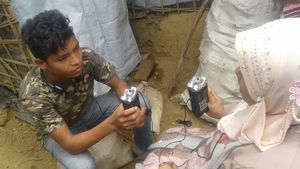
Article Rohingya community feedback snapshot: MOU, smartcard, returns and repatriation
- 16/08/2018
This document aims to offer a snapshot of the diverse opinions and questions of the Rohingya community on the recently signed MOU between UNDP, UNHCR and the government of Myanmar, the smart card, returns and repatriation. The verification process is endorsed by the Government of Bangladesh and aims...
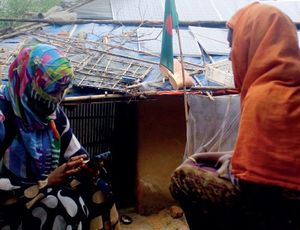
Article Humanitarian feedback mechanisms in the Rohingya response
- 06/07/2018
This report showcases the wide variety of CwC activities implemented in the Rohingya response but also highlights challenges, such as the lack of formalised links between different feedback mechanisms. A key learning is that while there is a growing interest and engagement in feedback mechanisms and...
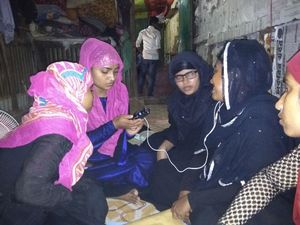
Article CXB: Weekly podcast and radio show - Shantir Lai Kotha Koi (Talking Peace)
- 09/05/2018
Internews is pleased to be producing a weekly Chatgaiya-dialect radio and podcast show called Shantir Lai Kotha Koi (Talking Peace) as part of our Rohingya response project aiming to improve relations between the Rohingya and host communities. 'Shantir Lai Kotha Koi' - Talking Peace -...
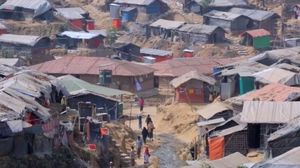
Video Video: People's voices - Rohingya emergency
- 25/02/2018
Published six months after the start of the current influx of Rohingya people in Bangladesh, this short film highlights the voices and opinions of those most affected by the emergency - both Rohingya and host communities. The film is based on inputs from a range of agencies and concentrates on ...
Resources
Case Study CXB: Soiyi Hota - correct information through short audio programmes
- 17/01/2023
Soiyi Hota ('correct information') is an audio programme, designed to disseminate accurate and reliable information to the Rohingya communities in a clear and easily understandable format. The programme aims to deliver life-saving information on a wide range of topics to the affected communities. ...
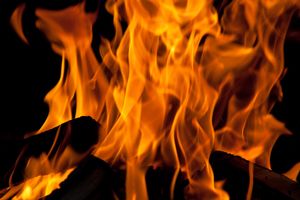
Guide CXB multimedia: Fire
- 12/01/2023
[Updated 23 March with consolidated guidance on mitigating fire risk and managing fires] The winter season brings increased risk of fire as the weather is dry and fires are used to stay warm. These communication products are designed to help agencies accurately and effectively communicate fire risk ...
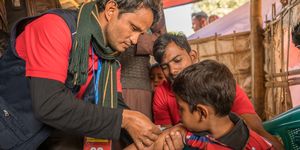
Guide CXB multimedia - measles
- 09/01/2023
The materials below have been produced to support the campaign on measles vaccination in the Rohingya refugee camps during January and February 2020. You can download the materials here: PSA about Measles and Rubella Vaccination (09 January 2023) available with music and without music Simple ...

Guide Covid-19 / Coronavirus - communication tools for Rohingya community and host community in ...
- 08/09/2022
[UPDATED 08 September 2022 with and audio PSA about the current coronavirus/Covid-19 booster dose vaccination campaign in camps.] [Agencies are encouraged to double-check whether the advice and information in older materials is accurate, before making use of them in field activities] The ...
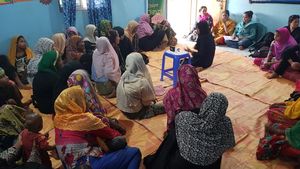
Guide Palonger Hota / Voice of Palong – a weekly radio show by and for Rohingya and Bangladesh ...
- 31/08/2022
Palonger Hota (Voice of Palong) is a radio magazine programme (30 mins) on everyday matters in the Rohingya refugee settlements as well as the surrounding Palong host community villages in Bangladesh. We cover all aspects of life that people care about including lifesaving information, giving a ...
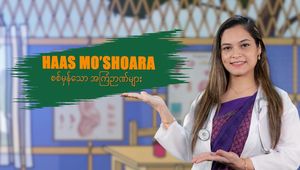
Guide Haas Mo’shoara (Top Tips)
- 21/07/2022
Haas Mo’shoara is a presenter-led programme, produced by BBC Media Action, to create awareness about sexual and reproductive health and rights (SRHR) among the Rohingya people. A doctor in the programme gives key information on how to tackle some of the common challenges for sexual ...
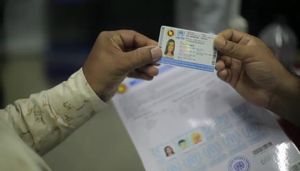
Guide CXB multimedia: Joint registration
- 21/07/2022
[Updated 21 July 2022 with Audio PSA on newborn birth registration campaign in camps] These materials are designed to help communicate with refugees about the joint government / UNHCR registration process. Materials can be used in information hubs, within community spaces or in listening groups; and...
Guide Aa'rar Bahadur - Showcasing Rohingya role models
- 06/06/2022
[Updated 06 June 2022 with new episode] There are lots of people living in the camps who solve problems themselves and help other people at the same time. To celebrate them and inspire others, Aa'rar Bahadur (Our heroes) highlights individuals helping each other to solve their own problems. In each ...
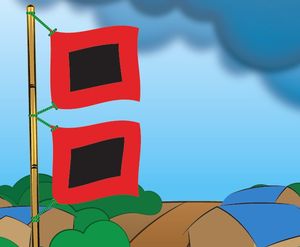
Guide CXB multimedia: Explaining the cyclone warning signals
- 12/04/2022
[Updated 12 April 2022 with Communication strategy for Cyclone Preparedness] This material explains the cyclone early warning signals being used in the camps and advice about how to prepare at each warning level. The resources are based on common messages developed by the Cox's Bazar Emergency ...
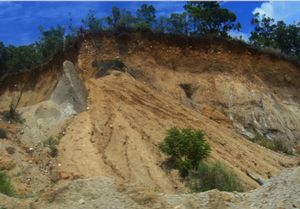
Guide CXB: Landslides, floods and lightning
- 16/03/2022
[NEW - updated 16 March 2022 with an animated drama on flood] [Agencies are encouraged to double-check whether the advice and information in older materials is accurate, before making use of them in field activities] With the onset of the monsoon, landslides, floods and lightning are an ...
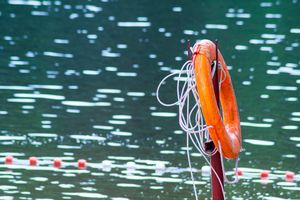
Guide CXB: Drowning - risks and precautions
- 16/03/2022
[Updated 16 March 2022 with animated drama on Drowning] BBC Media Action has produced audio-visual materials to assist in communicating about the risks and precautions related to drowning, particularly for children living in the camps in Cox's Bazar. The materials are primarily designed for ...
Guide Jainto Chai (We want to know) - provides information on rights-based issues through audio ...
- 27/02/2022
Rohingya refugees living in Cox’s Bazar require information about their options for the future and other key rights-related issues, including a basic understanding of the humanitarian process, how the camp operates and what they are entitled to. BBC Media Action is producing audio podcasts, ...
Guide CXB: Niyamotor din (Days of Possibilities) Season -01 ,provides information on maternal ...
- 20/09/2021
Niyamotor din (Days of Possibilities) is an audio drama series set in the Rohingya camp in Cox's Bazar. The drama is designed to support greater awareness and knowledge in the Rohingya community on maternal and neonatal issues such as the need for ante-natal check-ups and pregnancy care, safe birth,...
Guide CXB multimedia: Gender-based violence (incl child marriage) and PSEA
- 29/08/2021
BBC Media Action has developed a series of multimedia products to assist in communicating about gender-based violence and PSEA. The materials cover information about where and how victims can seek assistance; as well as safety advice. Materials are primarily designed for use in information...
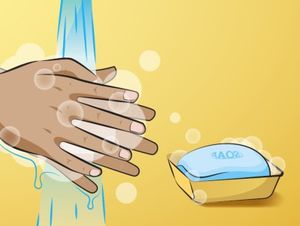
Guide CXB: water, hand-washing and hygiene
- 28/07/2021
[Updated 28 July 2021 with a new audio PSA on how to purify water using Aquatabs] [Agencies are encouraged to double-check whether the advice and information in older materials is accurate, before making use of them in field activities] Swiftly becoming a celebrity within the camps, Md ...

Guide CXB: Complaint and feedback mechanism in camps
- 26/07/2021
This page contains communication material about complaint and feedback mechanism in camps. BBC Media Action has produced an audio PSA to assist in communication about complaint and feedback mechanism of WFP in camps for reporting issues related to food assistance such as food quality, loss of ...
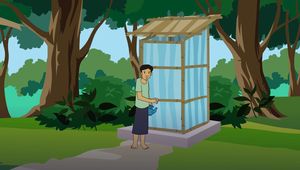
Guide CXB: Acute watery diarrhoea
- 20/07/2021
BBC Media Action has produced an audio PSA to assist in communication about symptoms, prevention, and treatment of acute watery diarrhoea. The PSA has been produced for Rohingya people living in different camps in Cox’s Bazar. The material is primarily designed for use in information ...
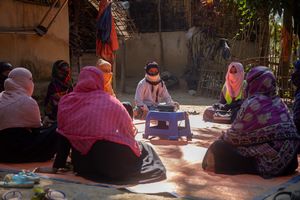
Guide Camp Information Line
- 04/07/2021
These programs were produced by Rohingya refugees in Jamtoli (Camp 15), Cox's Bazar, Bangladesh for mainly the residents of Camp 8East, 14, 15 and 16. The programs aim to build resilience and access to information and to increase social cohesion. The programs were made by Fondation Hirondelle with ...
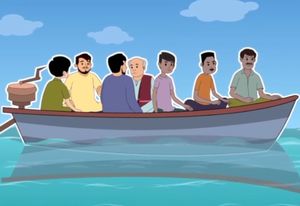
Guide CXB multimedia: Trafficking
- 28/04/2021
[Updated 28 April 2021 with audio PSA highlighting trafficking risks in camps and precautionary measures people can take for their and their children's protection] These multimedia products are designed to assist in communicating about risks and precautions related to trafficking. Materials are...
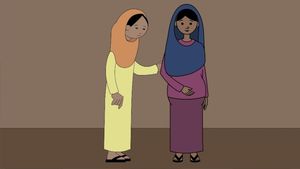
Guide CXB multimedia: Pregnancy and maternal health
- 07/04/2021
[Updated 7 April 2021 with new factual videos about the importance of antenatal and postnatal checkups, the importance of delivery at a birth facility, what services are available, and the benefits of delivering at the health facility.] BBC Media Action has developed a series of multimedia ...
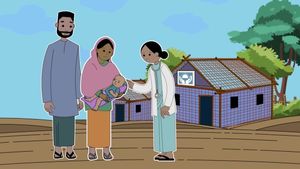
Guide CXB multimedia: Babies and infants
- 07/04/2021
[Updated 7 April 2021 with new factual videos about the importance of postnatal checkups] BBC Media Action has developed a series of multimedia products to assist in communicating about health issues for new-born babies and very young children. The materials cover self-care advice as well as ...
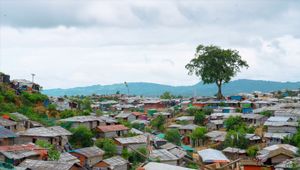
Guide CXB: Fire incident in Rohingya camps - communication tools for Rohingya community in Cox's...
- 04/04/2021
BBC Media Action is producing a number of short audio PSA messages that provide useful information to the community in response to the fire in the Rohingya camps. This includes key information on reuniting families, protection issues, accessing food and assistance and addressing health needs. The ...
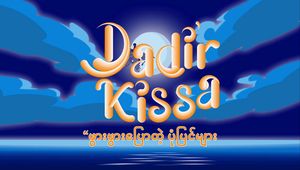
Case Study Dadi'r Kissa (Granny's Tale) - video series for Rohingya children
- 24/03/2021
Dadi'r Kissa (Granny’s Tale) is an exciting new video series in Rohingya language aimed at the children between the ages of 6 to 12 years old. Produced by BBC Media Action, the series is a mix of live-action and animation. A group of children meet at Granny’s house to hear stories based ...
Guide CXB: Jaundice
- 15/03/2021
BBC Media Action has produced an audio PSA to assist in communication about symptoms, prevention, and treatment of jaundice. The PSA has been produced for Rohingya people living in different camps in Cox’s Bazar. The material is primarily designed for use in information ...

Guide CXB: Women’s Health
- 25/02/2021
These multimedia products are designed to assist in communicating about topics related to women’s health. Materials are primarily designed for use in information hubs or within community spaces and listening groups, but could also be used by agency field staff, volunteers and others working ...
Guide CXB: Routine immunization
- 04/10/2020
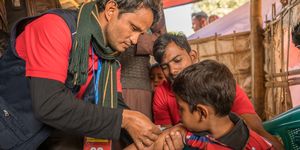
The materials below have been produced to support the routine immunization programme in the Rohingya refugee camps. You can download the materials here: [01 Oct] Audio PSA on routine immunization – available in only male voice and male and female voice Audio programme Soiyi Hota, ...
Guide CXB multimedia: Shelter strengthening and cyclone / monsoon preparedness
- 09/07/2020
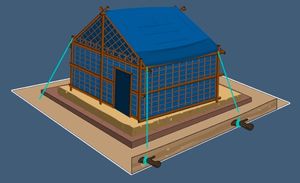
[Updated 9 July 2020 with new audio content] To coincide with the distribution of shelter tie-down kits, BBC Media Action has developed a series of multimedia products to assist in communicating the importance of shelter strengthening and more general extreme weather preparedness in advance of ...
Guide Guide for media on communicating in public health emergencies
- 23/05/2020
A public health crisis or emergency is characterised by its ability to cause ill health and death among hundreds, thousands or sometimes millions of people. In a health crisis, the media has the power to save lives. Effective communication can help to prevent or reduce the spread of disease, and ...
Guide Aa'rar Foygam - Weekly audio and discussion guides for listening groups
- 27/04/2020
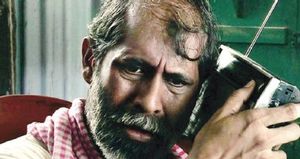
***Aa'rar Foygam is currently paused, due to the difficulties of gathering listening groups during Covid-19 restrictions. In its place BBC Media Action is producing a new regular audio product, Soiyi Hota ('correct information') focused on information about Covid-19. This product is shorter and...

Website Covid-19 / Coronavirus - communication tools
- 20/04/2020
The way that communication tools related to Covid-19 (Coronavirus) is organised on Shongjog has changed. This change has been made to make navigation easier, because there are now a large number of materials available. Please click here if you are looking for materials designed for use with ...
Website CXB Multimedia - International Women's Day
- 07/03/2020
On this page you can find links to a range of communication tools that might be useful to link with International Women's Day. All of the materials are in Rohingya language. BBC Media Action has created a special audio package for IWD 2020 - highlighting the importance of joint decision making ...
Case Study CXB multimedia - Civil documentation
- 10/02/2020
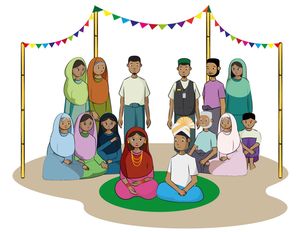
The audio-visual materials on this page have been designed to support outreach staff and volunteers in communicating the importance of civil documentation. Specifically, the tools will help with communication around registering births, deaths, marriages and divorces. All the video and ...
Guide Information about the ICJ ruling on interim measures
- 29/01/2020
[Updated 29 January with audio tools] Following the ruling of the International Court of Justice relating to Rohingya people in Rakhine state, the following tools may help explain the ruling to refugees in Cox's Bazar. [NEW] A simple audio message explaining the ruling is available: Audio message ...
Guide CXB: Audio and video tools for Oral Cholera Vaccination campaign (Dec 2019)
- 15/12/2019
A number of resources are available to assist with information provision related to the oral cholera vaccination campaign, which is taking place in December 2019. Written guidance on messages (not for community dissemination, but to aid practitioners in communicating) Audio version of raw ...
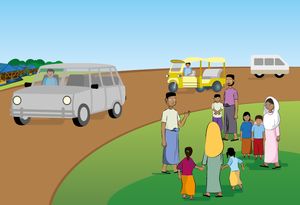
Guide CXB multimedia: Road safety
- 12/12/2019
BBC Media Action has developed a series of flashcards to assist in communicating about the risks and precautions related to road safety, particularly for children living in the camps in Cox's Bazar. Materials are primarily designed for use in information hubs or within community spaces and listening...
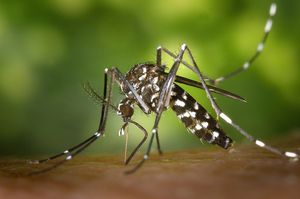
Guide CXB multimedia - Dengue fever
- 25/11/2019
The communication products below have been created to help communicate risks and precautions related to dengue fever. They can be used in information centres, outreach staff and volunteers and other setting where direct engagement with communities is taking place. Audio messages for ...
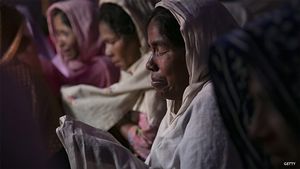
Guide Aa'rar Kissa - Audio drama to combat gender-based violence and child marriage
- 22/11/2019
[Updated 22 November 2019 - all 20 episodes now available for download, along with discussion guides] BBC Media Action has produced a new audio drama series, Aa'rar Kissa (Our Story) - we believe this is the first ever long-format drama to have been produced in the Rohingya language. The drama ...
Case Study Voice of America daily programme for Rohingya refugees
- 22/09/2019
Voice of America’s Bangla language service has started a five-days-a-week radio show in Rohingya language. Titled Lifeline, the 30-minute radio show focuses on the lives and needs of the refugees, providing them with valuable information on security, family reunification, food rations, ...
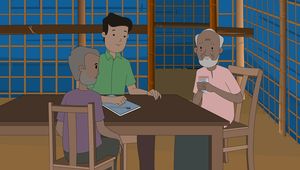
Case Study CXB multimedia - services for older people
- 08/09/2019
BBC Media Action is developing a series of products to assist in communicating about the services and support available for older people living in the camps in Cox's Bazar. Materials are primarily designed for use in information hubs or within community spaces and listening groups, but could also be...
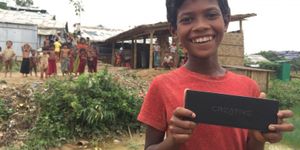
Website Jamtoli Information Line: Radio program for Rohingya residents of Camp 15
- 27/08/2019
Jamtoli Information Line is a radio program made by and for the Rohingya residents of Camp 15, Jamtoli Camp, in Cox's Bazar. This program is produced by Coast Trust with the support of Fondation Hirondelle. The programs are available on SoundCloud and you can follow* Jamtoli ...
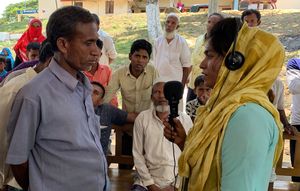
Website Aror Hota (Our Voice): Radio Programme for Host Community
- 27/08/2019
Aror Hota is 'Our Voice', a program made by and for the Bangladeshi host community of Palonghkali and Rajapalong districts of Cox's Bazar. This program is produced by Coast Trust with the support of Fondation Hirondelle. The programs are available on SoundCloud and you can follow* ...
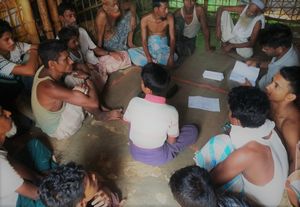
Website Shanti Hota: Radio Program for Rohingya residents of Kutapalong
- 27/08/2019
Shanti Hota is a radio program made by and for the Rohingya residents of Kutapalong. This program is produced by Coast Trust with the support of Fondation Hirondelle. The programs are available on SoundCloud and you can follow* Shanti Hota: Refugee Community Radio ...
Guide CXB multimedia: communication with refugees about voluntary return to Myanmar
- 20/08/2019
[Updated 20 August with listening group materials] Following the recent confirmation from the government of Myanmar that some refugees are eligible to return, the communication tools available below are designed to help explain the details of the voluntary repatriation process to Rohingya people ...
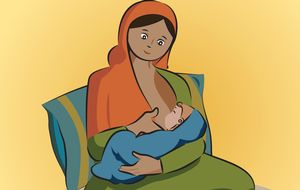
Website Breastfeeding instructional videos (Rohingya language)
- 06/08/2019
This series of factual videos are designed to help mothers breastfeed successfully. The materials cover basic breastfeeding advice as well as what to do when there is a low supply of milk or pain or discomfort. Materials are primarily designed for use in healthcare settings or Women Friendly Spaces ...
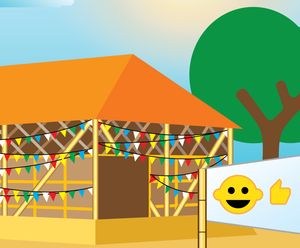
Guide CXB multimedia: Storytelling cards for learning centres
- 28/07/2019
Working with Plan International and the Education Sector, BBC Media Action has produced a series of image cards to help prompt students’ imaginations and to provide the raw materials for stories they create. The aim of the cards is to support interactive and engaging educational materials for ...

Guide IEC Material: Protecting Ourselves from Elephants
- 02/07/2019
Considering the frequent wild elephants attacks in the Rohingya Refugee camp and lack of child friendly messaging regarding this, Save the Children International has developed a Facilitator Guide - 'Protecting Ourselves from Elephants' - for children under 12 years of age. This Facilitator...
Guide CXB multimedia: Materials to explain the ICC process
- 30/06/2019
In September 2018, the Prosecutor of the International Criminal Court has opened a preliminary examination concerning the alleged deportation of the Rohingya people from Myanmar to Bangladesh. In June 2019, the Prosecutor informed the Judges that she will ask for authorization to open...
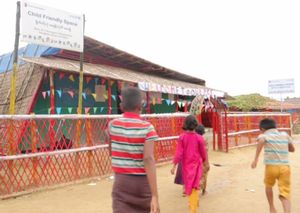
Guide CXB multimedia: Children and learning
- 18/05/2019
[Updated 18 May with new animation] These multimedia products are designed to assist in communicating about the facilities and benefits of child-friendly spaces and temporary learning centres; encouraging families to help their children access these facilities. Materials are primarily designed for ...
Website Jogajog: Easier access to video and audio content for field staff and volunteers
- 10/04/2019
Many field staff and volunteers are using audio-visual materials created for the Rohingya response to help facilitate high-quality community engagement activities with refugees and host communities. To make it easier for these front-line communicators to find and use material easily, a ...
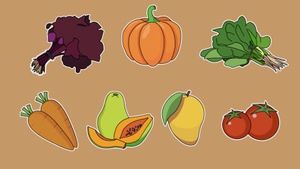
Guide CXB multimedia: Nutrition
- 10/04/2019
[Updated 10 April with a new instructional video on the preparation of supplementary food for young children] BBC Media Action has developed a series of multimedia products to assist in communicating about various aspects of nutrition for children; and pregnant and lactating women. Materials ...

Guide Chickenpox campaign
- 04/04/2019
[Updated 4 April with new video] The materials below have been produced through the Cox's Bazar health risk communication task force in order to facilitate a campaign on chickenpox in the Rohingya refugee camps during January 2019. You can download the materials here: Frequenty asked questions, in ...
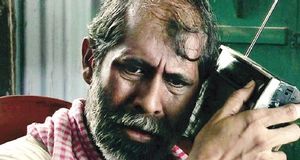
Guide Off-line radio programmes and discussion guides for listener groups - Cox's Bazar response
- 27/03/2019
From 1 April 2019, the 'Listen Again' service has been suspended, as funding is currently not in place to continue this activity. In the meantime, listening groups are welcome to make use of archive material and may also be interested in downloading other programmes aiming to serve Rohingya people ...
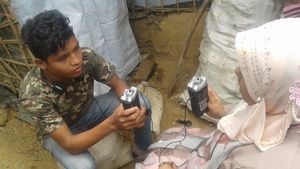
Guide Bala-Bura: Community audio providing actionable and practical information to Rohingya ...
- 03/03/2019
Bala-Bura is an audio programme produced with and for the Rohingya community. A team of 20 Rohingya volunteers go out into the camps daily to collect rumours, concerns and questions from the community. Half of the group are women and half are men, some are born in the camps, some arrived in 2017 and...
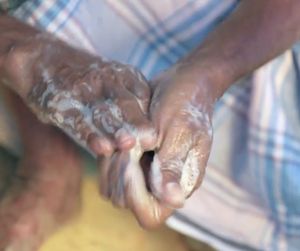
Guide Video for hygiene practice: Tandil Beyaram Fuk Ki
- 27/02/2019
This is a video that is meant to promote basic hygiene practices. It shows the different ways of how the flu spreads and gives simple advice on how to prevent it from spreading. It is recorded in Rohingya language (Buthidaung dialect) for camp wide distribution. This video can be found in different ...
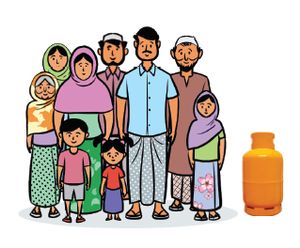
Guide Communication materials on safe use of LPG
- 12/01/2019
[Updated 12 January 2019 with additional resources] With community feedback frequently highlighting the need for alternatives to firewood and an increased focus within the response on distribution of liquefied petroleum gas (LPG), these communication materials are designed to help the Rohingya ...
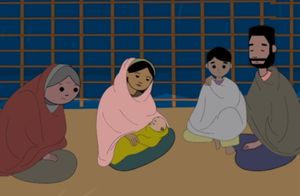
Guide CXB multimedia: Winter
- 07/01/2019
BBC Media Action has developed a series of multimedia products to assist in communicating about issues related to preparing for and coping with the winter weather. Materials are primarily designed for use in information hubs or within community spaces and listening groups, but could also be used by ...
Guide CXB multimedia: Gardening
- 29/12/2018
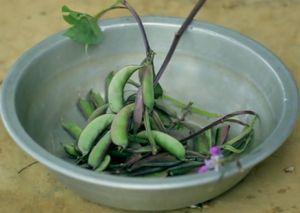
This content is designed to assist in communicating about the potential for small-scale vegetable cultivation within the refugee camps in Cox's Bazar. Materials are primarily designed for use in information hubs or within community spaces and listening groups, but could also be used by agency field ...

Guide CXB multimedia: Women friendly spaces
- 26/12/2018
These multimedia products are designed to assist in communicating about the facilities and benefits of women-friendly spaces; encouraging women to attend and helping reduce barriers amongst men to women attending. Materials are primarily designed for use in information hubs or within community ...

Guide CXB multimedia: Malaria and other mosquito-borne diseases
- 29/10/2018
The rainy season brings additional risks of diseases which are transmitted by mosquitoes, including malaria, dengue fever and chikungunya. The materials here are designed to raise awareness about the risks associated with mosquito-borne diseases and what people living in the camps can do to ...
Guide CXB multimedia: Handwashing Week
- 24/10/2018
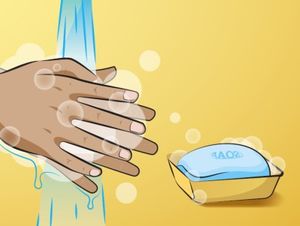
To help agencies marking handwashing week in camp, a package of Rohingya language audio messages has been produced covering: Why handwashing is important How to wash your hand effectively General hygiene and cleanliness Safe water management Safe food preparation You can download the messages (and...
Guide Jamtoli Information Line: giving Rohingya people a voice
- 10/09/2018
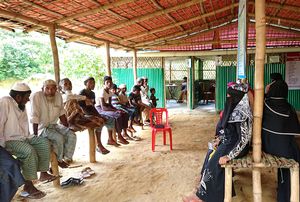
Jamtoli Information Line is a 30-minute Rohingya-language radio programme made by a group of refugees in Jamtoli camp. Each programme captures a critical issue which has been deemed important by the refugees, and allows Rohingya people and the humanitarian actors in the camp to have their say. ...
Guide Teacher training materials
- 26/07/2018
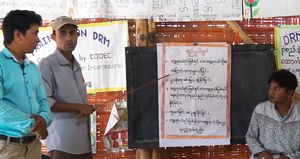
On this page, you can find materials designed to help conduct training sessions for teachers in the camp. You can also find the videos of actual sessions. The training sessions covered three areas: 1. Health and Hygiene: the material include - Health & Hygiene ...
Guide Audio PSAs for cholera prevention, symptoms and treatment
- 21/07/2018
With the arrival of the monsoon, the risk of cholera is increasing in the camps. But it's easy to prevent and tackle such occurrence if people in danger know about it. These PSAs are designed to be played in community spaces, info hubs, listening groups and by community ...
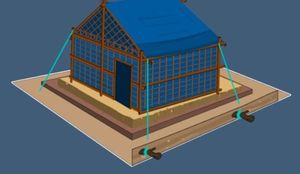
Guide Shelter-related IEC materials
- 10/07/2018
Shelter/NFI sector has developed some additional IEC materials, with the support from other sectors and partner organisations, aiming at the construction or the improvement of the shelters. These materials include – Proper Tie Down of Shelter: (Print poster – size: A4 – Bangla and...
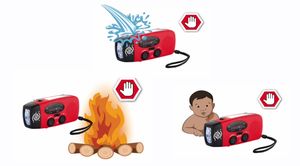
Guide CXB Multimedia: User Guide for Radio
- 03/07/2018
To coincide with large numbers of portable radios being distributed to Rohingya people, BBC Media Action has worked with IOM to produce a visual instruction manual – in video and print form - which explains how to use the radio. This video instruction manual (2:59 minutes long) which...
Guide Diphtheria medication during Ramadan
- 27/05/2018
Contact tracing for diphtheria is still going on; and some community members may be worried about how they are able to maintain a prophylactic antibiotic regime during the month of Ramadan. This short video PSA sets out some common community worries and features an imam from the Rohingya ...
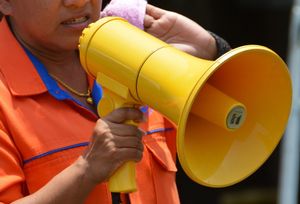
Guide CXB: Cyclone and monsoon health-related risks - message pack
- 23/05/2018
Download this message pack (Rohingya audio, plus guide script in English) to assist with the mitigation of health-related risks associated with cyclones and storms. The messages cover risks related to water, pregnancy, pre-existing medical conditions and treatment continuity, self-care, physical ...
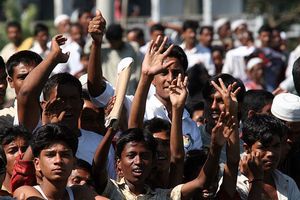
Guide CXB Multimedia: Aid is Free
- 22/05/2018
Humanitarian aid is completely free and needs no transaction of any type. To get this message out, Internews, Translators without Borders and IOM have produced some contents in different formats. You can download the whole package and choose the content that best suits your communication. The ...
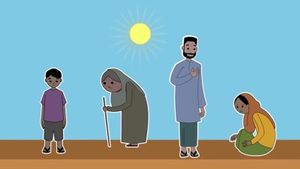
Guide CXB multimedia: Dealing with heat
- 17/05/2018
BBC Media Action has developed a series of multimedia products to assist in communicating about precautions, symptoms and care-seeking related to heat and heat-related health problems. Materials are primarily designed for use in information hubs or within community spaces and listening groups, to ...
Shongjog © 2020 | Terms of Use
This material has been funded by UK aid from the UK Government, however the views expressed do not necessarily reflect the UK Government’s official policies.